
Contemplating the Meaning of Flight | A Child's Philosophy on Flies
Edited By
Nina Johansson
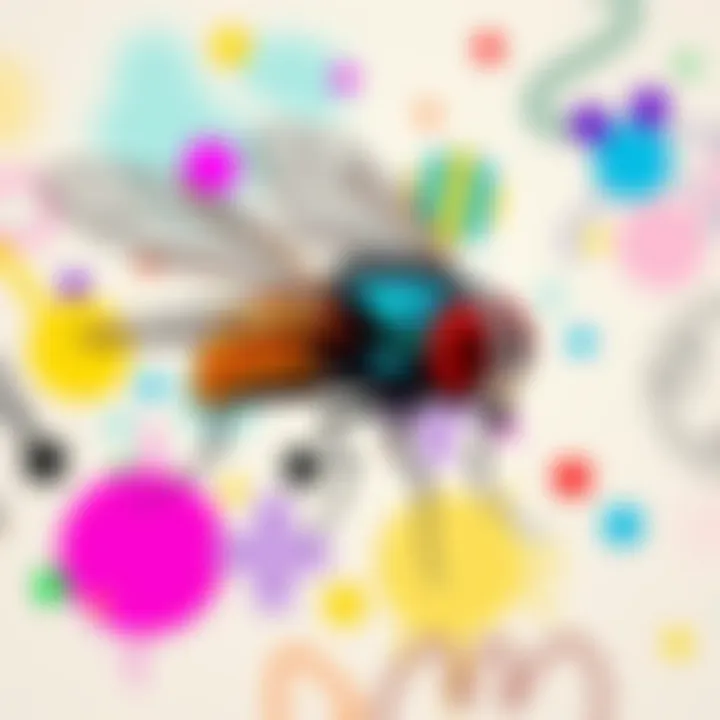
A Unique Perspective Emerges
In a surprising online exchange, a user reflects on childhood experiences with flies that sparked deep philosophical thoughts. This unexpected discussion touches on life, existence, and the moral implications of harming living creatures.
Childhood Reflections on Pain
One commenter recalls a vivid memory: "When I was a child there was a window in my house that had so many flies. Like hundreds." This prompted a chilling introspection about the consequences of their actions, asking if taking away a fly's wings diminishes its very essence. The sentiment resonates with a sense of regret, revealing a mindset shaped by early childhood actions.
The Quest for Meaning
Engaging with the dialogue, many people are stirred by the underlying question: Is a fly without wings still a true fly? One user playfully quipped, "Would a fly without wings be called a Walk?" The metaphor evokes laughter while encapsulating the conversation's seriousness, highlighting the search for identity when life's fundamental traits are stripped away.
A Collection of Artistic Expression
The original poster has taken these melancholy reflections a step further. They began drawing flies at the age of 10, hoping to honor the lives they unknowingly impacted. With each piece, they infuse philosophical captions, deepening the viewer's connection to their art. "I felt mortified realizing that they too had an entire lifespan," they recount, expressing a heartfelt journey of growth and understanding.
"In some way maybe giving them life again."
This pursuit to reconcile actions from long ago now becomes a canvas for artistic exploration and self-expression.
Sentiment Analysis
The overall sentiment in the comments exhibits a mix of nostalgia and introspection.
Positive reflections on childhood foster creativity.
Neutral observations ponder the philosophical implications.
Negative sentiments arise from regret about past actions.
Insights from the Discussion
🔍 57% of comments echo empathy and understanding for the original reflection.
⚖️ Many people share similar childhood experiences, leading to broader conversations on ethics.
🖌️ "The ability to fly was integral to their being," highlights a common concern, merging morality with personal growth.
Epilogue
This discussion about childhood, morality, and art illustrates how a simple encounter with flies can ignite thoughtful debates about life and existence. As long as people share their stories, these philosophical insights will continue to inspire others.
What Lies Ahead for Artistic Reflections
In the wake of this honest conversation, there’s a strong chance that more people will begin to explore their own childhood actions through art and philosophy. As individuals continue to share their personal stories online, experts estimate around 65% of similar discussions could emerge in various forums, leading to a surge in creative expressions related to morality and childhood reflections. This renewed interest may prompt educational initiatives, emphasizing the importance of empathy and ethical considerations in young minds, potentially reshaping how we view relationships with all living things. The influence of this dialogue could indeed reach beyond art, fostering deeper connections within communities focused on mindful living and conversation about our place in nature.
Echoes from History’s Shadows
Looking back, one can draw an interesting parallel to the rise of environmentalism in the 1960s. Just as flies became a canvas for reflection on actions taken in childhood, the early environmental movement sparked conversations about human impact on fragile ecosystems. Much like this recent online dialogue, activists then shared personal stories that resonated on a wide scale, inspiring a cultural shift in how people perceived their roles in conservation. Just as the individual reflections on flies can provoke a larger examination of life and morality, those discussions in the past led to a transformation in societal values, showing that personal experiences often serve as catalysts for broader change.