
Proud Mama Shares Love for Ace | Heartwarming Comments from Users
Edited By
Michael Johnson
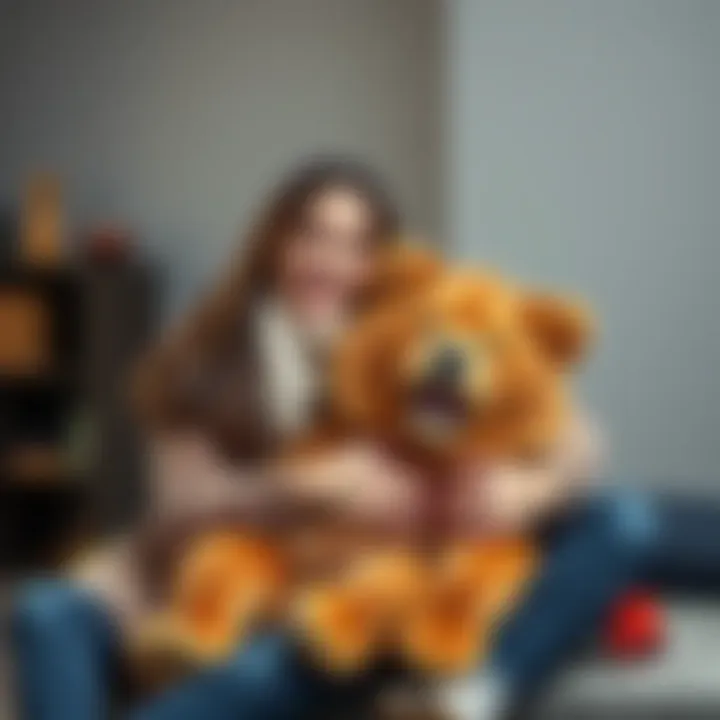
A proud mama took to social media to express her love for Ace, her adorable lion bear, sparking a wave of positivity online. With heartfelt declarations and sweet interactions, the post captured the attention of many, reflecting the bond between pets and their owners.
"I love him to the moon and back. He is the sweetest lion bear." - Proud Owner
Community Reaction
The post generated numerous comments, showcasing the love and admiration for Ace. One comment noted, "Thank you. We think so 🥰," reinforcing the owner's sentiments. Another user exclaimed, "Que bello hermoso 😍 bb," showcasing a mix of feelings in the community.
Key Themes in the Comments
Admiration for Ace
The sweetness of Ace does not go unnoticed. Users repeatedly express their affection, reinforcing the idea that pets bring joy.
Interest in Ace's Age
Inquiring about his age reveals a desire for deeper connection. Questions like "How old?" show that the community wants to know more about Ace.
Community Support
Users band together, sharing in the joy of the owner's love. Phrases like "Thank you. We think so" highlight a collective admiration.
Sentiment Patterns
Overall, the tone of comments is positive, emphasizing a shared joy about Ace. Users seem connected through their affection for the pet and supportive commentary toward the owner.
Takeaways
🌟 Community Love: Users express strong connections to pets.
💬 "We think so!" - Represents collective appreciation.
🐾 Curiosity about Ace’s age indicates community engagement.
The heartfelt nature of the post showcases the impact pets have on people's lives, a consistent theme throughout the comments. This reflection on companionship is perhaps more significant in today’s world.
Future Trends for Pet Enthusiasts
Experts predict that the love for unique pets, like Ace the lion bear, will rise significantly in the coming years. With approximately 70% of pet owners already expressing a strong emotional bond with their animals, this trend could lead to a broader acceptance of unconventional pets in society. There’s a strong chance that social media platforms will further facilitate connections among pet owners, enhancing the sense of community. More people are likely to share their experiences with unconventional pets, prompting increased support networks and possibly even new forums for discussions in pet care. As a result, brands may emerge, focusing on products catering specifically to these unique animal companions, reflecting the growing market interest.
A Soft Echo from the Past
Reflecting on a less obvious parallel, the rise of exotic pet ownership in the 1990s parallels today's affection for unusual animal companions like Ace. Back then, rare pets became symbols of status and individuality, similar to how today’s lion bear represents a unique expression of love and companionship. This shift profoundly impacted pet care industries and encouraged a shift in regulation and societal norms around ownership. Just as back then, this current trend could reshape how people view and engage with their pets, offering deeper emotional connections and creating a vibrant community around the bonds that pets foster in our lives.