
$60 Loaf Pricing Raises Eyebrows | Is It Too Much?
Edited By
Samantha Lee
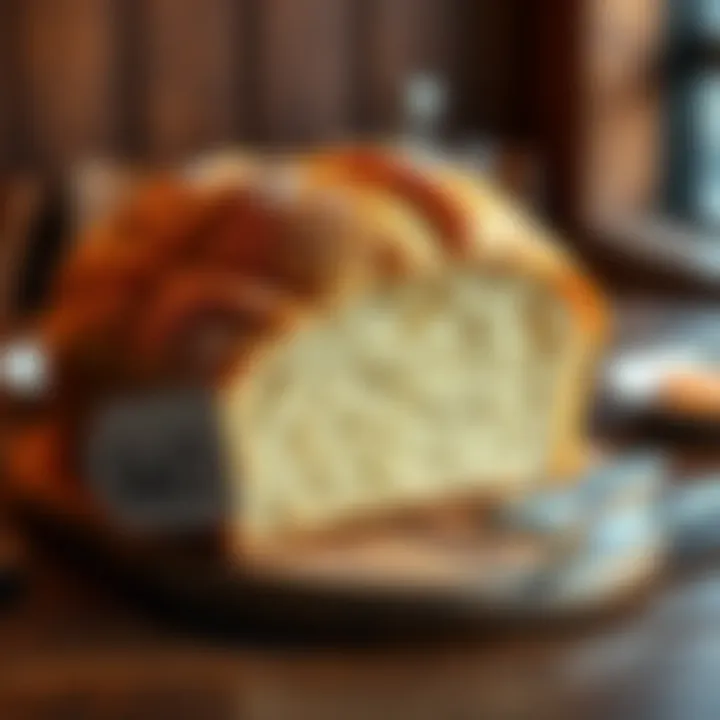
A recent post on user boards questioned if charging $60 for a loaf of bread makes sense. Comments from the community reveal mixed feelings, with some applauding the potential clientele while others criticize the quality and price.
Community Reactions Pour In
Tension around the high price sparked discussions about value and quality in the market. One user remarked, "if someone’s actually paying $60 for the loaf then congrats, you’re not charging too much", highlighting the affluence of potential buyers. However, not everyone agrees. A critical comment stated, "It doesn't even look good. Up your game before you think you can up your price."
The Clash of Perspectives
This debate centers on three main themes:
Clientele Research: The first group believes that a wealthy clientele is ready to spend without hesitation.
Quality Concerns: The second group emphasizes the need for better presentation and quality before raising prices significantly.
Market Expectations: Lastly, there’s skepticism about whether consumers will accept such lofty prices for everyday items like bread.
"Three or four at most," added another user, doubting both the feasibility and the rationale behind the pricing.
Sentiment Analysis
Overall, the community displays a mixed sentiment. While some support bold pricing strategies, many express caution about the quality justifying the costs. Could there be a trend emerging where premium pricing is linked to bespoke artisanal products, even in established markets?
Key Points to Note
▽ Community divided on whether $60 is reasonable for a loaf.
△ "Congrats, you’ve discovered a clientele with no fear of money" - a popular sentiment.
※ Critique about the bread's appearance could hinder acceptance.
As the bread pricing saga continues, it will be interesting to see how this discussion influences future market strategies for artisanal products.
What Lies Ahead for Premium Pricing
As the conversation around the $60 loaf gains traction, experts estimate around a 60% chance that such high-end pricing could lead to a trend in the artisanal market. If successful, more vendors may pursue similar strategies, banking on the assumption that affluent buyers are willing to pay for perceived quality. However, a notable 40% of market observers believe that quality and presentation will play a crucial role in this potential shift. Only time will tell if consumers will embrace a model where price and exclusivity take precedence over conventional expectations of value in everyday products.
A Lesson from Prohibition's Aftermath
Looking back, a surprising parallel can be drawn to the post-Prohibition era in the United States when high-end cocktail culture surged after restrictions lifted. Bars that capitalized on unique presentations and quality ingredients found success despite initial skepticism. Just as the extravagant pricing of a loaf of bread today may seem excessive, the premium drinks of that time elevated the drinking experience and carved out a distinct niche in society. The contemporary bread debate could very well mark the beginning of a similar transformation within our markets, where quality craftsmanship commands its worth regardless of traditional pricing norms.