
Raining from the Ceiling | Home Flooding Claim Process Raises Tough Questions
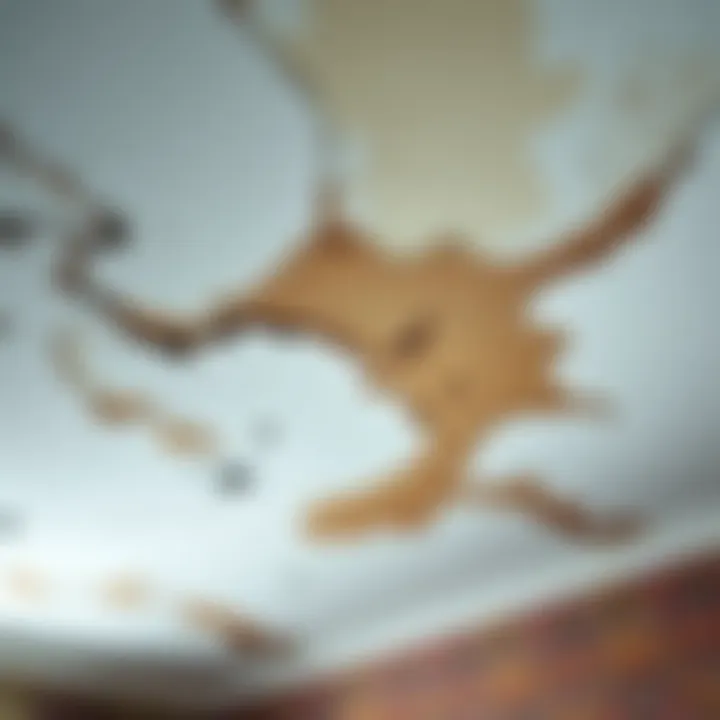
A recent flooding incident from a faulty air conditioning unit has ignited a flurry of insurance questions. Homeowners affected by the damage are seeking clarity on what their policies may cover, creating a complex scenario for many.
Understanding Water Damage Claims
One homeowner is preparing to file a claim, having noticed severe water damage behind paint and wallpaper. This situation prompts inquiries about what should be reported to insurers.
"You claim what was damaged. Repair of floors, ceilings, walls, and any personal property such as rugs or furniture that needs cleaning or replacing," advised a commenter on a home improvement forum.
Key Considerations When Filing Claims
Essential Elements to Weigh
Cause of Loss: Homeowners must know whether the cause is covered.
Documenting Damage: Record all affected property, focusing on flooring, walls, ceilings, and personal items.
Living Conditions: If repairs render the home uninhabitable, extra costs like hotel stays may qualify for reimbursement.
Recently, homeowners highlighted the need to assess their damage against their deductible, stressing clarity on coverage before filing claims. "Don't file a claim unless you know the cause of loss is covered under your policy," warned another commenter.
Concerns About Claim Processes
Many homeowners express frustration with the claim process, fearing lengthy negotiations with their insurance. One contributor remarked, "The flood sets a dangerous precedent for homeowners needing help after unexpected disasters."
It's vital to remember that insurance adjusters decide the home’s livability. A home may be considered uninhabitable if critical areas like the kitchen or bathroom are unusable. "Reasons like loud fans or cosmetic issues do not usually qualify," one commenter cautioned.
Travelers navigating mounting repair costs are also concerned.
"We live in a 1950s home where we might have to pull out half the attic insulation due to mold risks," one homeowner described. "With water behind every wall, our mattress is ruined. The damage clearly exceeds our deductible."
Key Insights
⚠️ Record every detail, including photographs of the damage.
🏥 Consider whether the costs warrant filing against your deductible.
⚡ "Insurance doesn't cover maintenance issues" - A significant concern echoed by many homeowners.
Remaining informed and proactive is essential for homeowners as they navigate the challenging insurance claim landscape.
Predictions on Claim Outcomes
Rising homeowner awareness could push insurance companies to clarify their policies concerning water damage claims. Insurers may need to adapt their processes, especially given experts' predictions of a 30% increase in claims-related complaints over the next year. As residents become more knowledgeable, we might see more transparency and better guidelines in the insurance market.
A Look Back at Evolving Coverage
This situation recalls the post-2008 financial crisis climate, where many faced unexpected losses due to ambiguity in policies. Just as mortgage lenders faced scrutiny, insurers may soon feel pressure as customers demand clearer coverage. This situation links the past and present through shared challenges of understanding their rights and protections against unforeseen disasters.