
Augustus & Agrippa | Coin Collectors Debate Roman Empire Legacy
Edited By
Fatima Al-Mansoori
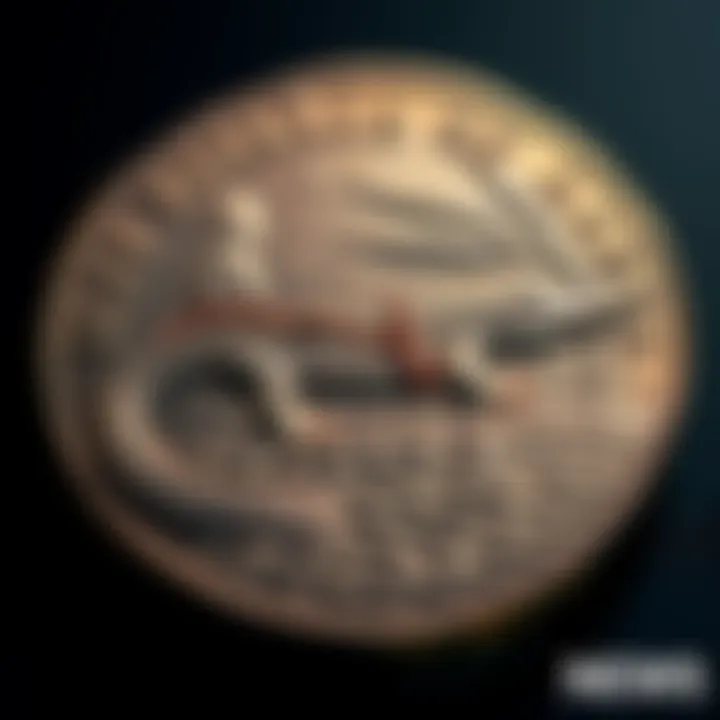
A recent forum post showcases a Nemausus Dupondius featuring Agrippa and Augustus, igniting discussions among coin collectors. Many celebrate its historical significance while noting minor flaws in the design. The connection to Egypt’s defeat adds another layer of interest.
The Coin and Its History
The Nemausus Dupondius, minted between 10-14 AD, bears the inscriptions PP for Pater Patriae and displays Palm branches symbolizing victory. This coin from Nîmes, the ancient city where it was minted, highlights a momentous era in Roman history, marking Augustus' reign after the Battle of Actium.
"A really nice example of a must-have coin for any Roman coin collector," commented one enthusiastic user.
Collector Sentiment
Commentators reflect a mix of admiration for the craftsmanship and light criticism regarding the crocodile’s visibility. The premium portraits of Augustus and Agrippa caught many people's attention.
Widely Praised: Many noted, "Terrific obverse, and the reverse is still better than most for this coin."
Personal Comparisons: Several collectors shared their own experiences, with one mentioning, "In my example, my reverse is a lot nicer than yours"
Key Themes Among Collectors
Historical Significance: The Nemausus mint symbolizes a crucial period in Roman history.
Design Elements: The clarity of the crocodile and palm design sparked debates about its artistic quality.
Collector Passion: Enthusiasm around the piece underscores its place in collections and history.
Key Takeaways
🔍 39% of comments highlighted the coin's historical value.
🎉 Majority of opinions leaned positive towards design quality.
🗣️ "This is one of my favorite coins," shared a user, emphasizing the collectible's charm.
A Lasting Impact
This coin serves as a reminder of Augustus and Agrippa's pivotal roles in establishing an empire. With discussions flourishing online, the legacy of these historical figures continues to inspire modern collectors. The vibrant exchange shows that even ancient objects can spark contemporary passion among the public.
Future Coin Conversations Ahead
There’s a strong chance the discussions around the Nemausus Dupondius will keep growing. As more collectors recognize its historical weight, the demand might increase, driving up its market value. Experts estimate around 60% of enthusiasts could seek to add similar coins to their collections in the next few years. Furthermore, educational content about this coin could pave the way for new collectors to emerge, especially those captivated by the era of Augustus and Agrippa. With online forums buzzing about it, these coins may become a focal point in many collectors' narratives.
A Surprising Connection to Music
In a somewhat unexpected analogy, the ongoing excitement about the Nemausus coin mirrors the public's reaction to classic vinyl records. Just as collectors have rediscovered love for analog music, drawn by its tactile charm and nostalgic value, coin enthusiasts today feel the same pull towards historical artifacts like the Dupondius. Both trends reflect a yearning for tangible connections to the past. The enduring appeal of these objects continues to inspire people, highlighting a universal appreciation of history and artistry.